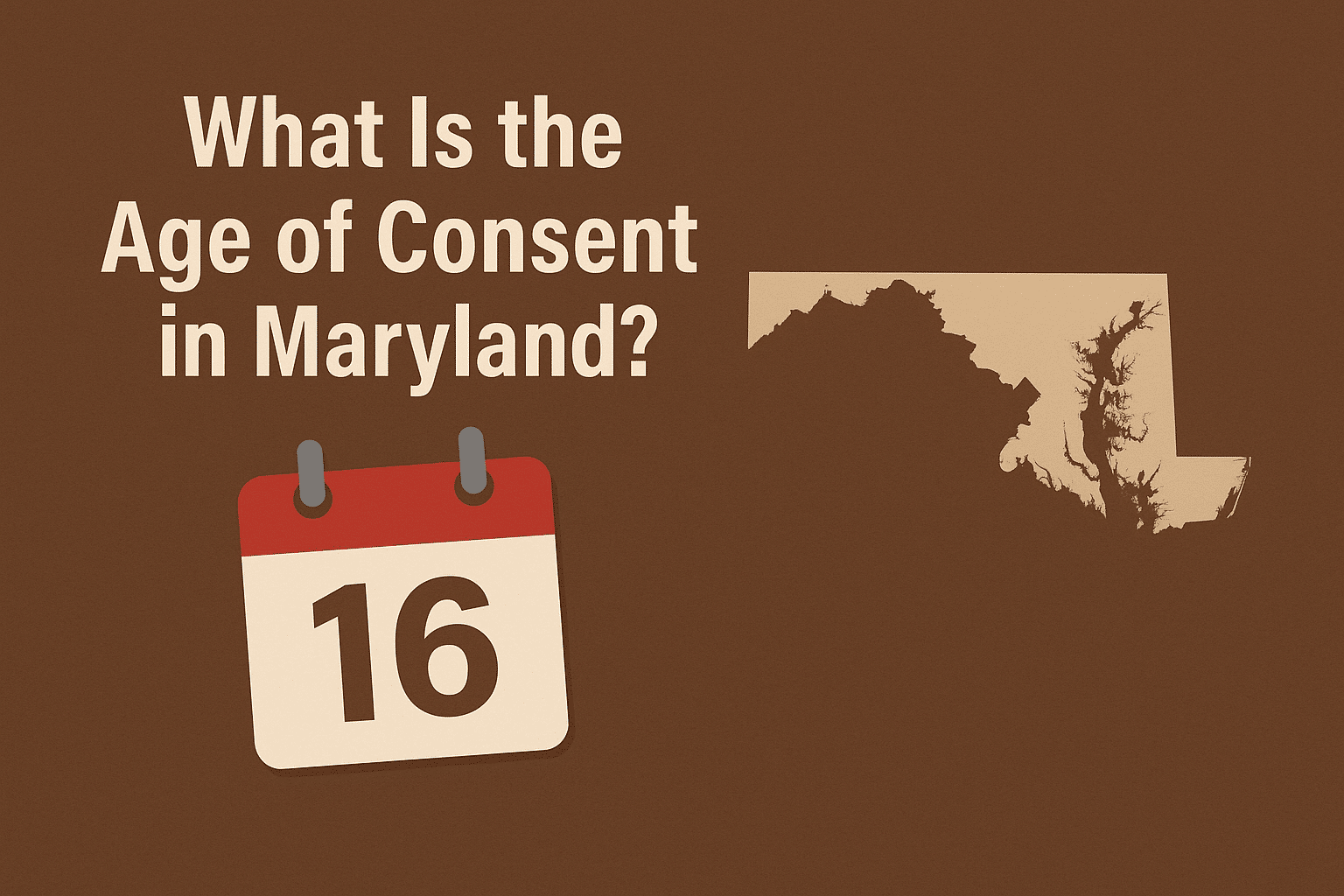
If you’re a parent, teen, or adult in a relationship with someone younger, it’s crucial to understand Maryland’s age of consent laws. The state takes sexual offenses involving minors seriously, and the penalties can be life-changing. In this post, we’ll explain the age of consent in Maryland, the exceptions, and how the law treats authorityRead More
Legal questions
What Happens if a Cop Enters Your House Without Permission in Maryland?

Your home is your castle — and in Maryland, the law strongly protects it. The Fourth Amendment to the U.S. Constitution and Article 26 of the Maryland Declaration of Rights both guarantee you the right to be free from unreasonable searches and seizures. That means police usually cannot enter your home without a search warrant.Read More
Can You Be Convicted on Circumstantial Evidence in Maryland?
When you’re charged with a crime in Maryland, especially in areas like Charles County, Calvert County, St. Mary’s County, or Prince George’s County, one question often comes up: Is circumstantial evidence enough to convict me? The answer is yes—and it happens more often than you think. What Is Circumstantial Evidence? Circumstantial evidence refers to factsRead More
Can Police Search Your Car If They Smell Weed in Maryland?

If you’re driving through Southern Maryland and an officer pulls you over, can they search your car just because they smell marijuana? That used to be the law. But thanks to recent changes in Maryland legislation, the rules have changed—and it’s crucial to understand your rights. Maryland’s New Cannabis Law: Odor Alone Is Not ProbableRead More
What Are Some Examples of Due Process in Maryland Criminal Cases?
If you or a loved one is facing criminal charges in Maryland, you’ve probably heard the phrase “due process” — but what does that actually mean, and how does it protect you? At its core, due process ensures that the government cannot deprive you of your life, liberty, or property without following fair and establishedRead More