If the police show up at your door because of a noise complaint, you might wonder — do you have to open the door? In Maryland, the answer is generally no. You do not have to open the door for police responding to a noise complaint unless they have a warrant or an emergency reasonRead More
Blog
Do You Have to Roll Down Your Window for a Cop?
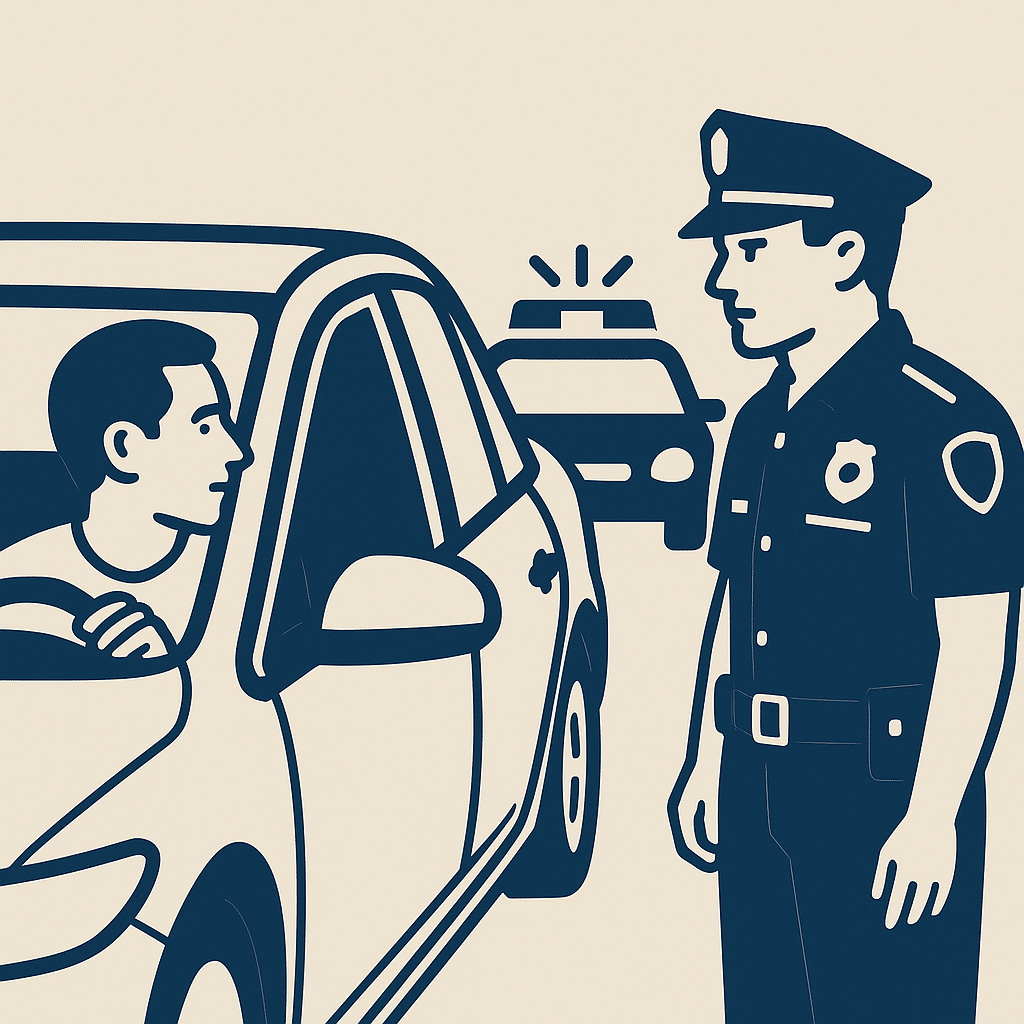
If you’ve ever been pulled over in Maryland — whether in Prince George’s, Charles, Calvert, or St. Mary’s County — you’ve probably wondered: Do I have to roll down my window for a police officer?The short answer is that no Maryland law explicitly requires you to roll your window down during a traffic stop. However,Read More
Can a Cop from Another County Pull You Over?

If you’re driving in Southern Maryland — whether in Prince George’s, Charles, Calvert, or St. Mary’s County — you may wonder: can a cop from another county pull you over? The short answer is: sometimes. But the full picture under Maryland law is more complicated, and understanding it can protect your rights if you’re everRead More
Inventory Search in Maryland: What It Means and When Police Can Use It
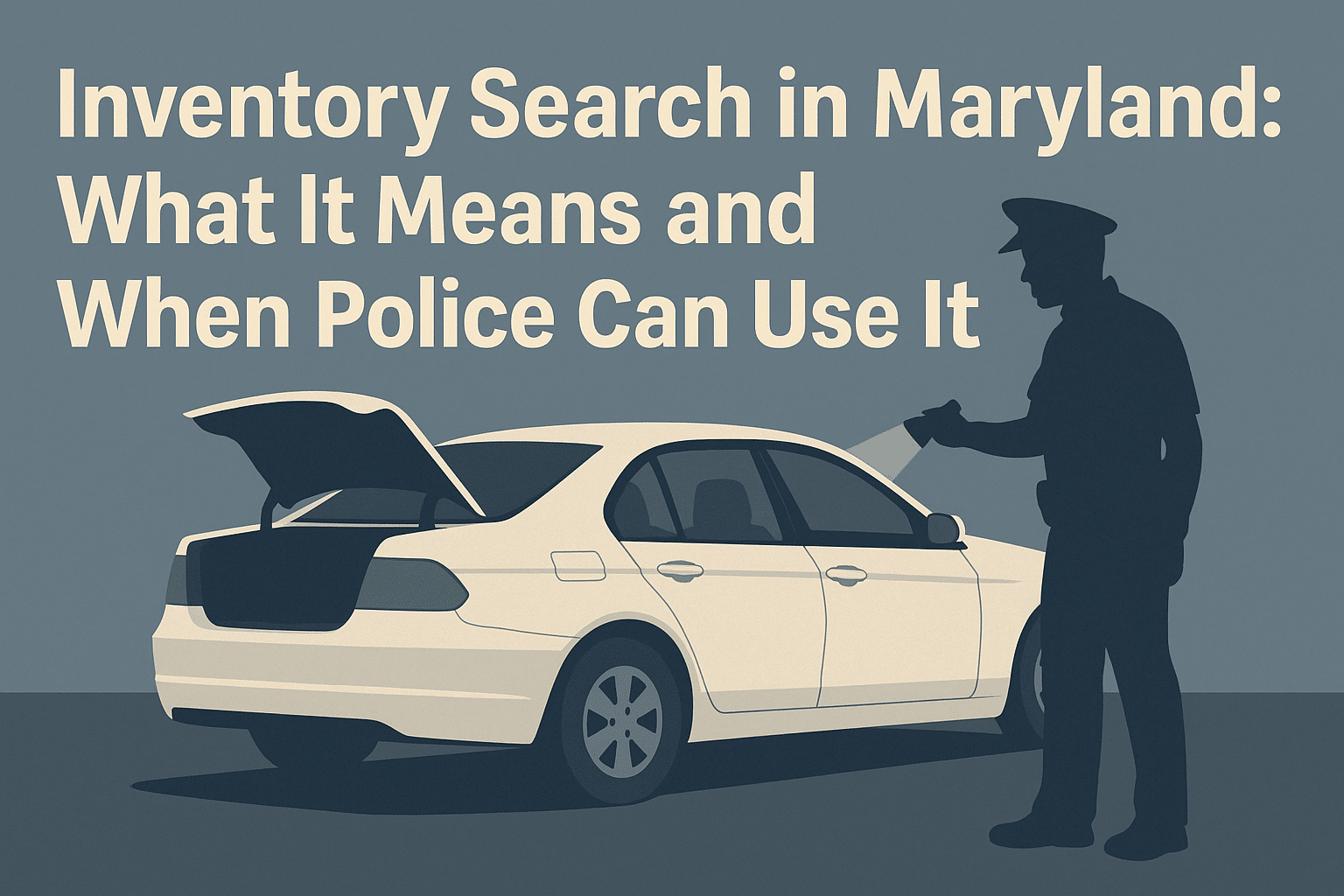
When your vehicle is impounded and a police officer conducts an inventory search, it’s important to understand what that means for your rights—especially if you’re facing criminal charges in Maryland. In this article, we’ll explain what an inventory search is, when it can be lawfully conducted, what the requirements are under Maryland law and federalRead More
What Implied Consent Means in DUI Law
When people hear the term “implied consent” after a DUI arrest, they often don’t realize how serious it is. In Maryland and across the United States, implied consent means that by choosing to drive on public roads, you have already agreed—whether you said it or not—to take a chemical test if a law enforcement officerRead More