What Happens During the PBJ Process
The PBJ process typically unfolds after plea negotiations between your defense attorney and the prosecutor, or after a finding of guilt at trial. When the judge agrees to grant PBJ, the conviction is not entered on your record. Instead, the judge suspends the entry of judgment and places you on probation for a specified period, usually one to three years depending on the offense and circumstances. You will be supervised by the Division of Parole and Probation during this period. A PBJ often comes with supervised probation.
The conditions of PBJ probation vary depending on the offense but commonly include regular reporting to a probation officer, drug and alcohol testing if the offense was substance-related, community service hours, payment of court costs and any restitution, and compliance with any treatment programs ordered by the court. Successful completion of all conditions results in the probation being terminated and the matter being closed without a conviction on your record. Violating the conditions of PBJ probation can result in the judge revoking the PBJ, entering a conviction, and imposing a sentence — which is why strict compliance is essential. Be aware of what happens when you violate probation in Maryland, since a violation can undo a PBJ.
PBJ and Your Criminal Record
One of the most significant benefits of PBJ is its effect on your criminal record. Because no conviction is entered, a PBJ does not appear as a criminal conviction on most background checks. However, it is important to understand that a PBJ is not the same as having no record at all. The arrest and charge will still appear on your Maryland criminal record, and the PBJ disposition itself is visible to law enforcement and the courts. After successfully completing PBJ probation, you are eligible to petition for expungement, which removes the record entirely from public view.
For employment purposes, most private employers who conduct background checks will not see a conviction if you received PBJ. However, certain professional licensing boards and government agencies may have access to PBJ records, and you should be prepared to disclose and explain the disposition if asked directly. For military and government employees in Southern Maryland with security clearances, a PBJ is generally viewed more favorably than a conviction, but it may still need to be disclosed and addressed during the clearance process.
PBJ for DUI and Traffic Offenses
PBJ is particularly valuable in DUI and DWI cases because it avoids a conviction that would create a permanent criminal record. Maryland law limits PBJ for DUI to one per lifetime — if you have previously received PBJ for a DUI offense, you cannot receive another one for a subsequent DUI. For a first DUI offense, PBJ is often the best available outcome when a complete dismissal is not realistic. The PBJ avoids the conviction, but you will still face administrative consequences from the MVA, including potential license suspension or participation in the ignition interlock program.
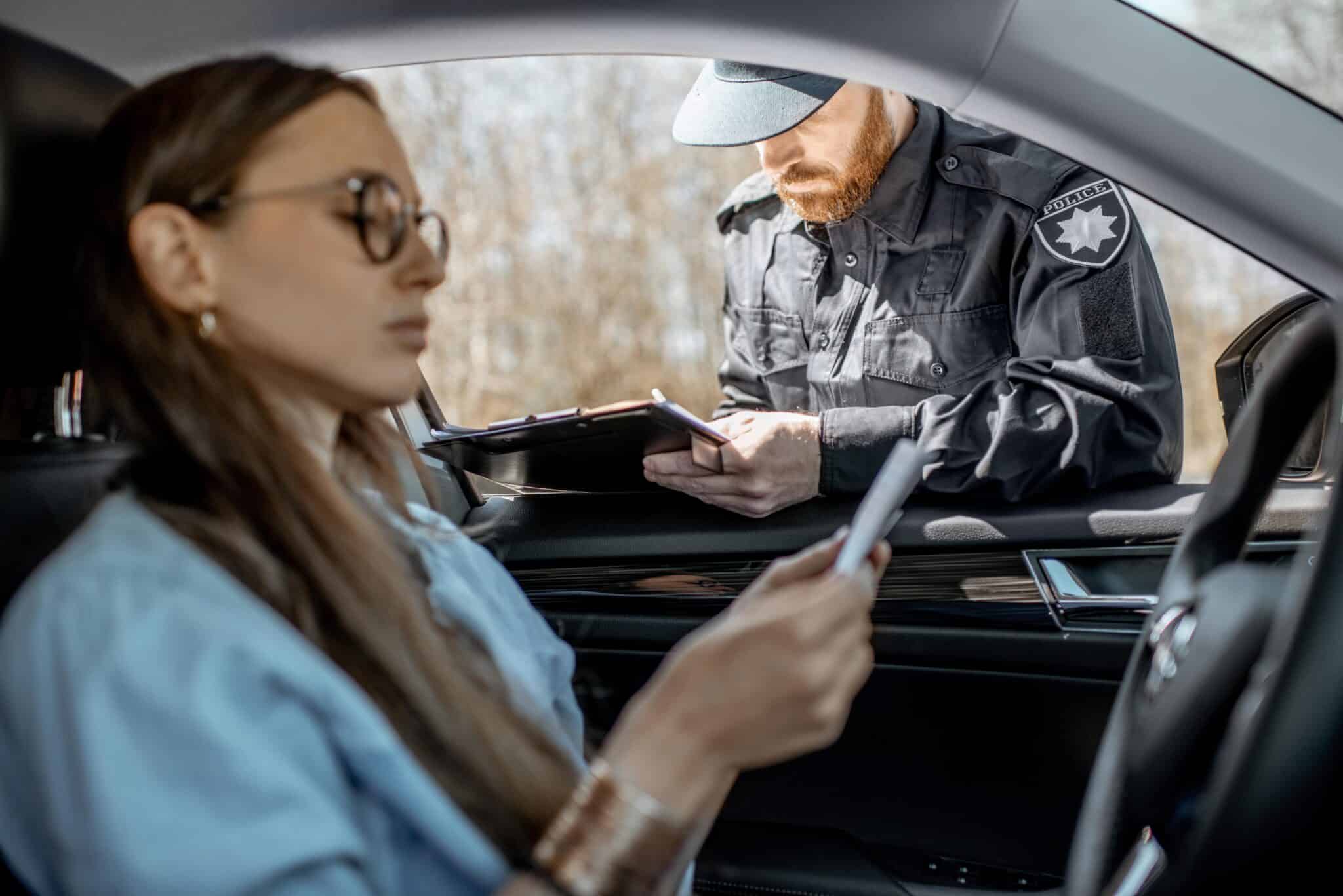
For other traffic offenses that carry points, PBJ can also prevent points from being added to your driving record, which protects your insurance rates and prevents accumulation toward license suspension. In the courtrooms of La Plata, Prince Frederick, Leonardtown, and Upper Marlboro, judges regularly grant PBJ for qualifying traffic offenses when the defendant has a clean record and demonstrates responsibility.
Probation Before Judgment, commonly known as PBJ, is one of the most powerful tools available in Maryland criminal defense. It allows a judge to place you on probation without entering a formal conviction, which means your record stays clean for most purposes. If you are facing criminal charges in Southern Maryland, understanding whether PBJ is available in your case could be the key to protecting your future.
At SoMD Criminal Defense, we have secured PBJ dispositions for clients facing charges ranging from DUI to drug possession to assault across Charles County, Calvert County, St. Mary’s County, and Prince George’s County. Here is a comprehensive look at how PBJ works and how it can help your case.
How Probation Before Judgment Works in Maryland
Under Maryland Criminal Procedure § 6-220, after a finding of guilt, the court may stay the entering of judgment, defer further proceedings, and place the defendant on probation. This means that even though the evidence supports a guilty finding, no conviction is formally entered on your record. Instead, you serve a period of probation with conditions set by the court.
If you successfully complete probation, the PBJ stands and may be eligible for expungement. If you violate probation, the court can revoke the PBJ and enter a conviction with the associated penalties.
When Is PBJ Available in Maryland?
PBJ is available for most criminal offenses in Maryland, with some exceptions. It is commonly granted for first-time DUI and DWI offenses, drug possession charges, theft and shoplifting, second degree assault (in some circumstances), and other misdemeanor offenses. PBJ is generally not available for certain serious felonies. For DUI cases, PBJ is limited to one per lifetime, so it is critical that it is used strategically.
Benefits of Receiving a PBJ
The primary benefit of PBJ is that it avoids a formal conviction on your record. This means most employers will not see a conviction on a standard background check, you may be eligible for expungement after the probation period, a PBJ for DUI does not result in the mandatory driver’s license revocation that comes with a conviction, and it preserves your eligibility for certain professional licenses and security clearances.
For residents of Southern Maryland who work in government, military, or law enforcement, avoiding a conviction through PBJ can be career-saving.
If you are facing criminal charges in Southern Maryland and want to explore whether PBJ is available, contact SoMD Criminal Defense at (301) 818-0389 for a free consultation. We will evaluate your case and fight for the most favorable outcome.
Conditions of PBJ Probation
When a judge grants PBJ, probation conditions are imposed. Common conditions include regular check-ins with a probation officer, community service, drug and alcohol testing, completion of treatment programs, payment of fines, court costs, and restitution, and staying arrest-free during the probation period. The length of probation varies but typically ranges from one to three years depending on the offense.
How an Attorney Can Help You Get PBJ
PBJ is not automatic. It is granted at the judge’s discretion, and the strength of your attorney’s advocacy matters. Having an experienced attorney present mitigating factors, demonstrate your character, and negotiate with the prosecutor significantly increases your chances of receiving PBJ. As former prosecutors, we understand what judges need to see before granting PBJ, and we prepare our clients accordingly.
Talk to a Criminal Defense Attorney in Southern Maryland
The attorneys at SoMD Criminal Defense have secured PBJ dispositions for hundreds of clients across Southern Maryland. Call us today at (301) 818-0389 or contact us online.
This is general information and not legal advice. Contact an attorney for advice specific to your case.
FAQ: PBJ in Maryland
Does PBJ show up on a background check?
A PBJ may appear on a detailed background check as a “probation before judgment” disposition, but it is not a conviction. For most standard employment background checks, it will not appear as a criminal conviction. After the probation period, you may be eligible to have it expunged entirely.
Can you get PBJ more than once in Maryland?
You can receive PBJ for multiple different offenses, but for DUI/DWI, Maryland law limits PBJ to one per lifetime. For other offenses, the judge has discretion, but a prior PBJ may make the judge less inclined to grant another one. An experienced attorney can advise you on the best strategy.
Frequently Asked Questions
Is PBJ a conviction in Maryland?
No. Probation before judgment is not a conviction under Maryland law. The judge places you on probation without entering a formal judgment of conviction. This means PBJ does not appear as a conviction on your criminal record and you can generally answer “no” when asked if you have been convicted of a crime. However, certain professional licensing boards and federal agencies may still inquire about PBJ dispositions.
Can I get PBJ more than once?
For DUI offenses, Maryland law limits PBJ to one per lifetime. For other criminal offenses, there is no statutory limit on the number of times you can receive PBJ, but judges may be less inclined to grant a second PBJ if you have received one before. The decision is within the judge’s discretion, and your attorney’s advocacy plays a crucial role.
Can PBJ be expunged in Maryland?
Yes. After you successfully complete your PBJ probation, you are eligible to petition for expungement. The waiting period depends on the type of offense. For most offenses, you can file for expungement after completion of probation and any applicable waiting period. Expunging a PBJ removes the arrest and charge from your public record, providing a completely clean slate.
It is important to understand that a PBJ is not available for all charges, and the decision to grant one is entirely within the judge’s discretion. Factors that influence a judge’s willingness to grant PBJ include your prior criminal history, the nature and severity of the offense, your level of remorse and acceptance of responsibility, and any steps you have already taken toward rehabilitation. An experienced defense attorney who regularly practices in Charles County, Calvert County, St. Mary’s County, and Prince George’s County courts knows which judges are more inclined to grant PBJ and how to present the most compelling case for this favorable outcome. >